• Αρχική
  • Συλλογές
  • Τα βιβλία μου
  • Κατηγορίες
  • Βιβλία
  • Συγγραφείς
  • Εκδότες
  • Σειρές
  • Ανακαλύψτε
  • Προτεινόμενα
  • Δημοφιλή
  • Βραβευμένα
  • Τελευταίες Κυκλοφορίες
  • Σελίδες
  • Σχετικά
  • Πολιτική Απορρήτου
  • Επικοινωνία
Crafted with in CEID
© 20[0-9]{2} Copyleft
  • ΑΡΧΙΚΗ
  • ΣΥΛΛΟΓΕΣ
  • ΤΑ ΒΙΒΛΙΑ ΜΟΥ
  • ΣΥΝΔΕΣΗ
  • ΕΓΓΡΑΦΗ
  • Βιβλία
  • The Byzantine Monuments of the...

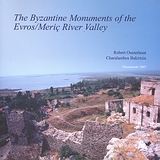
The Byzantine Monuments of the Evros/Meriç River Valley

book_cover
Προσθήκη

0 0

Συλλογές
0

Εμφανίσεις
502

Επισκέπτες
54

The Byzantine Monuments of the Evros/Meriç River Valley


Robert Ousterhout, Χαράλαμπος Μπακιρτζής


The river dividing Thrace between Greece and Turkey today was known in antiquity as the Hebrus River - the Evros in Modern Greek, the Meric in Modern Turkish, and the Maritsa in Slavic languages. A sleepy backwater today, its appearance gives no hint of its historic vitality. In contrast to its current, liminal situation, throughout the Byzantine period (330 -1453 CE), the valley maintained close cultural connections with the nearby Byzantine capital Constantinople, for which it figured as an important hinterland. Until the nineteenth century, in fact, the river functioned as a thoroughfare, the major transportation artery from the north Aegean Sea into Thrace, connecting to the chief regional city, Adrianopolis (now Edirne, Turkey), with river-going vessels traveling as far inland as Philippopolis (now Plovdiv, Bulgaria).

Historical disjunction. The advent of the railroad in the 1890s signaled the demise of the river network and dramatically altered the economy of the valley. Entire towns were abandoned or shifted as the population moved into closer proximity to the railroad. The port town of Ainos/Enez, for example, had been a transportation hub throughout the Byzantine and Ottoman periods, but when bypassed by the railroad, it declined into a virtual ghost town. Most of its population moved across the river to the previously insignificant village of Dedeagac (now Alexandroupolis, Greece), the final station stop before the railroad turned northward, bypassing the lower river valley. [...]

(from the introduction)

  • Περιγραφή
  • Προβολή MARC
  • Προβολή ISBD
ΈκδοσηΘεσσαλονίκη, Ευρωπαϊκό Κέντρο Βυζαντινών και Μεταβυζαντινών Μνημείων, 1η έκδοση, 2007
ΜορφήΒιβλίο
ΘέματαΜνημεία - Ιστορία - Ελλάς
Τέχνη, Βυζαντινή
Έβρος - Ιστορία
ISBN978-960-88423-4-2
ISBN-13978-960-88423-4-2
Φυσική περιγραφή184σ., Μαλακό εξώφυλλο, 21x21εκ.
ΔιαθεσιμότηταΚυκλοφορεί
LEADER 22 4500
001127145
00520200904203724.411
020##|a 9789608842342
0410#|a ελληνικά
08214|a 725.940 949 5 |a 709.021 4 |a 938.955 |2 23
1001#|a Ousterhout, Robert
24510|a The Byzantine Monuments of the Evros/Meriç River Valley |c Robert Ousterhout [και] Χαράλαμπος Μπακιρτζής
250##|a 1η έκδοση
260##|a Θεσσαλονίκη |b Ευρωπαϊκό Κέντρο Βυζαντινών και Μεταβυζαντινών Μνημείων |c 2007
300##|a 184σ. |b Μαλακό εξώφυλλο |c 21x21εκ.
650#1|a Μνημεία - Ιστορία - Ελλάς
650#1|a Τέχνη, Βυζαντινή
650#1|a Έβρος - Ιστορία
7001#|a Μπακιρτζής, Χαράλαμπος |e συγγραφή
ΤίτλοςThe Byzantine Monuments of the Evros/Meriç River Valley / Robert Ousterhout [και] Χαράλαμπος Μπακιρτζής ;
Κύριος ΣυγγραφέαςRobert Ousterhout
Άλλοι ΣυγγραφείςΧαράλαμπος Μπακιρτζής
ΈκδοσηΘεσσαλονίκη, Ευρωπαϊκό Κέντρο Βυζαντινών και Μεταβυζαντινών Μνημείων, 1η έκδοση, 2007
ΜορφήΒιβλίο
ΘέματαΜνημεία - Ιστορία - Ελλάς
Τέχνη, Βυζαντινή
Έβρος - Ιστορία
ISBN978-960-88423-4-2
ISBN-13978-960-88423-4-2
Φυσική περιγραφή184σ., Μαλακό εξώφυλλο, 21x21εκ.

Σχόλια/Κριτικές

    Συνδεθείτε για να δημοσιεύσετε κριτικές
Περισσότερα από Μνημεία - Ιστορία - Ελλάς
book_cover
Χριστιανικά μνημεία της Μητροπόλεως Μυτιλήνης
book_cover
Η βυζαντινή Άρτα και τα μνημεία της
book_cover
Η έπαυλη του Ηρώδη Αττικού στην Εύα / Λουκού Κυνουρίας
book_cover
Grecia Antică
book_cover
Korinth, Mykene, Tiryns, Epidauros
book_cover
Grecia Antigua
book_cover
Grécia Antiga
book_cover
Grecia Antică
book_cover
Strarożytna Crecja
book_cover
Χανιά, η παλιά πόλη στο πέρασμα του χρόνου
book_cover
Ancient Greece
book_cover
Ο πυρετός των μαρμάρων 1800-1820
Περισσότερα
Περισσότερα από Τέχνη, Βυζαντινή
book_cover
Το ιστορικό υπόβαθρο των καλλιτεχνικών σχέσεων Θεσσαλονίκης και Σερβίας
book_cover
Βυζαντινή κεραμική στο Μουσείο Μπενάκη
book_cover
Byzantine Glazed Pottery in the Benaki Museum
book_cover
Βυζαντινό Μουσείο Φθιώτιδας: Υπάτη
book_cover
diARTgnosis: Study of European Religious Painting: Εικόνων διάλογος
book_cover
Ταξιδεύοντας με την τέχνη στον Άθωνα
book_cover
Οι τοιχογραφίες του παρεκκλησίου του Αγίου Ευθυμίου (1302/3) στον ναό του Αγίου Δημητρίου
book_cover
Λαμπηδών: Αφιέρωμα στη μνήμη της Ντούλας Μουρίκη
book_cover
Βυζαντινές μνήμες
book_cover
Εικόνες από τις θρακικές ακτές του Εύξεινου Πόντου
book_cover
Το Τετραευάγγελο αρ. 52 της Μονής Δοχειαρίου Αγίου Όρους
book_cover
Νέα στοιχεία σχετικά με την παρουσία ζωγράφου της σχολής των Θηβών στην περιοχή του Ζαγορίου Ιωαννίνων κατά τον 16ο αιώνα
Περισσότερα
Περισσότερα από Έβρος - Ιστορία
book_cover
Πλάτη
book_cover
Το Τρίγωνο των ποταμών και των συνόρων
book_cover
Τρίγωνο: Η μεσοποταμία του Έβρου
book_cover
The Byzantine Monuments of the Evros/Meriç River Valley
book_cover
Έβρος: Το τελευταίο οχυρό
book_cover
Ο Ελληνικός Ερυθρός Σταυρός: Παράρτημα Κομοτηνής
book_cover
Αλεξανδρούπολη: Οικονομίας πανόραμα 1870-1970
book_cover
Η αστική αποκατάσταση των προσφύγων στη Ροδόπη
book_cover
Ροδόπη: Οροσειρά επαναστάσεων και κεντρόφυγων τάσεων στο ύστερο Βυζάντιο
Περισσότερα